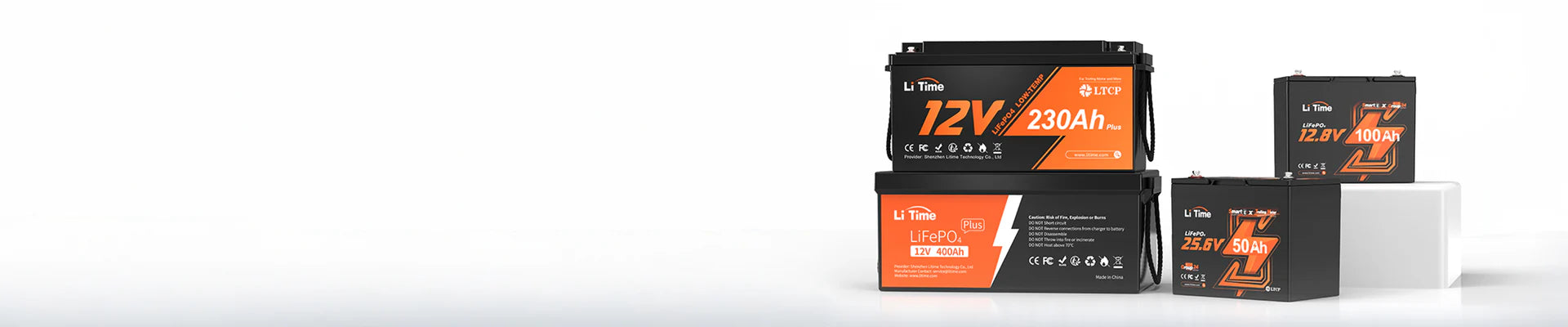
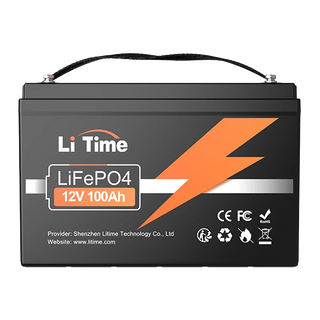
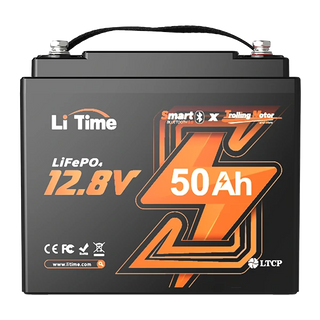
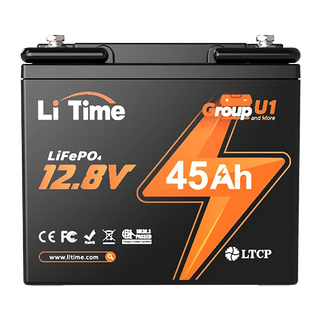
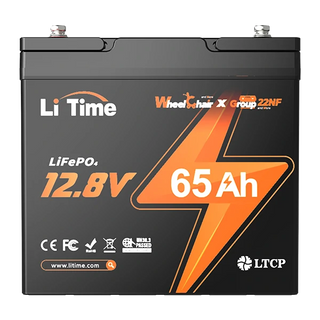
LiTime Buy electric fence battery 12V | Long-lasting LiFePO4 batteries
Electricity at the fence – practical applications for animal husbandry & Territory
A good fence doesn't need an "all-round battery", but rather a planned one. Fence voltage – even in wet, windy, and overgrown conditions. What matters is not just the nominal capacity, but its stability. Impulse energy, so that the voltage doesn't drop and eruptions or damage to the surrounding area are avoided. Counting outside. Running time per day, Reload rhythm and the question of whether the fence will "last until Monday".
This is precisely where the Limited electric fence battery on: lightweight, robust and for pulse-driven grazing equipment optimized. With power supply, vehicle or Solar-powered electric fence energizer Recharged, you remain flexible in mobile paddocks, wildlife protection and on alpine pastures.
Anyone who frequently rearranges or expands seasonally needs a 12V electric fence battery, which starts reliably in the morning and maintains stable impulses even with wet vegetation. This keeps the voltage constant, reduces the frequency of checks, and allows the system to run smoothly. reliable, even if you are not physically present.
Why LiFePO4 instead of 9V/lead-acid – lighter, longer-lasting, more stable impulses
In the fence business, it supplies LiFePO4 (Lithium iron phosphate) opposite 9V batteries and 12V lead-acid batteries more consistent Impulse energy with less voltage drop. With the same usable capacity, the system is lighter – ideal for mobile paddocks. The higher usable DoD (Depth of Discharge) It also ensures longer runtimes.
Over the years, LiFePO4 has scored points with significantly higher performance. Cycle life and reduces overall costs. It also holds up well in morning frost or wet vegetation. 12V electric fence The impulses remained stable. With the Limited electric fence battery You combine low weight and long service life – less recharging, more reliable fence voltage.
Select capacity: Fence length × Vegetation × Loading type
Start with Fence length and conductor resistance: Longer distances or steel wire require more Ah for stable pulses with the same 12V device.
Consider the vegetation: Wet grass reduces tension – plan ~30% reserve a.
Pay attention to the Reload: Weekend charging only ⇒ larger capacity; with small solar panel + MPPT A medium size is often sufficient.
Rule of thumb: lightweight, mobile paddocks 50–100Ah, medium/heavy, solid fences 120–200Ah; with a Limited electric fence battery You reduce charging stops.
compatibility & Connections: To ensure the electric fence energizer pulse remains stable
Check first Device type and operating voltage: Most devices allow 12VBatteries (some use 9V block batteries). The type plate should indicate this. Input 12V/DC and the Maximum current stand.
Important: Impulse energy (J) ≠ Battery capacity (Ah) Joules determine the strength of the discharge, Ah the runtime. For long fences/vegetation: a higher joule rating with a longer runtime is recommended. Uh-Combine batteries.
Connection tips: Short, thick copper cables, Clamp the poles correctly and firmly; ground stake Set the fence posts deep and in moist soil. Loose clamps, thin wires, or poor grounding will reduce the fence voltage.
For continuous outdoor use weatherproof Enclosures; carrying cases/boxes facilitate mobile paddocks. With a Limited electric fence battery With the same volume, you get a more stable 12V power supply and longer runtimes.
Installation & Connection checklist (step by step)
Set up the electric fence energizer and battery dry and ventilated On – away from grass clippings and direct sunlight. Positive pole (red) goes via a suitable fuse/disconnector Connect the positive (+) terminal of the device to the "+" terminal and the negative (black) terminal to the negative (-) terminal. short, sufficiently thick cables, to avoid voltage drops.
Strictly separate fence output and grounding: Connect the "Fence/Output" terminal to the conductor, and the "Earth/GND" terminal to the ground. galvanized grounding rods (at least one, 2–3 during dry periods). Poor grounding is the most common cause of weak impulses.
Before the first deployment with a Fence tester Measure at the starting point and at a distance (typical target: ≥4–5 kV). If values drop sharply, check insulators, connectors, and vegetation contacts section by section.
Suitable for mobile herding Carrying and case solutions for battery, device, and grounding. For less maintenance, choose one Limited electric fence battery with Remaining capacity indicator.
maintenance & Care (Seasonal Guide)
Once or twice a week with Fence tester Check (target: ≥4–5 kV); if this value is not reached, first check grounding and vegetation.
Tighten connections/insulators after rain; remove vegetation from the conductor during dry periods to prevent leakage currents.
For standstill: Battery on 50–70% Charge, store in a cool/dry place, recharge every 3 months; avoid high charging currents below 0 °C in winter.
One Limited electric fence battery with Capacity indicator It facilitates the planning of reloading and switching.
FAQ
F1: Difference between 9V and 12V? 9V cells are usually primary cells for short-term/light loads; 12V rechargeable LiFePO4 They are durable and suitable for year-round use.
Q2: What capacity is needed for long fences? Determine the device's power consumption and compare it with 2–3× safety factor dimension; for long/overgrown fences, greater capacity or Solar recharging choose.
F3: Charging and operating simultaneously? Yes, with isolated charger and correct LiFePO4 profile.
F4: Voltage drop due to grounding? More Earth rods Plant at a distance of 3–5 m, keep the soil moist; if necessary. Grounding booster to use.
Reliable energy for your electric fence
With LiTime's 12V electric fence batteries, you're choosing state-of-the-art LiFePO4 technology – durable, safe, and exceptionally efficient. Our batteries deliver a constant power supply for all types of electric fences and last significantly longer than conventional lead-acid batteries.
👉 Discover the perfect electric fence battery at LiTime now and benefit from a reliable energy supply for your pasture.